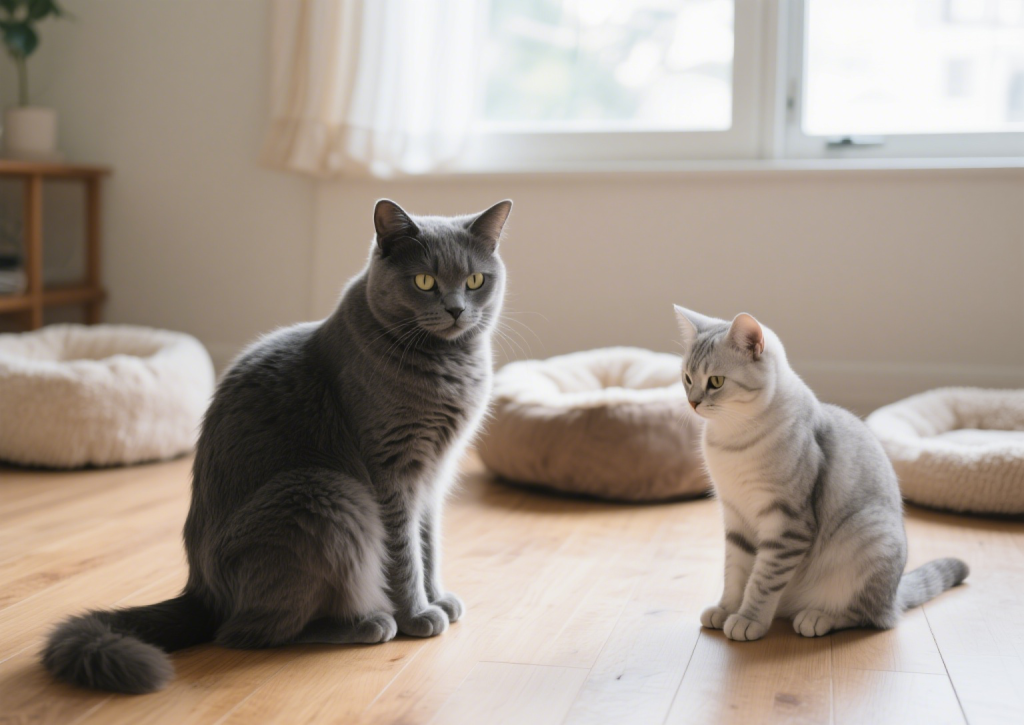
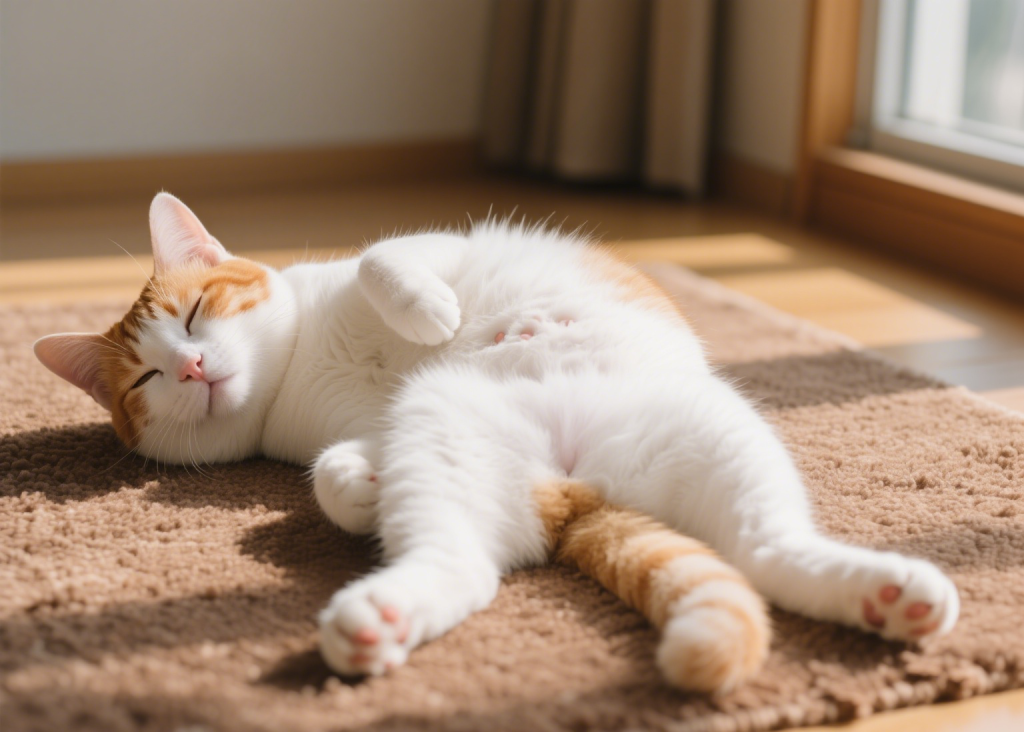
Living in a cozy city flat has its perks, but for our feline companions, a limited environment can sometimes lead to apartment cat boredom. While cats are famous for their love of naps, there is a fine line between a relaxed kitty and one that is suffering from a lack of mental and physical stimulation.
Because indoor felines don’t have mice to hunt or trees to climb, they rely entirely on us to provide an enriching environment. If you’ve been asking yourself, “Is my apartment cat bored?” it’s time to look closer at their behavior.
Here are the 5 most common signs of under-stimulation in indoor felines and how you can fix them.
Table of Contents
1. Excessive Grooming or Over-Licking
When a cat lacks environmental enrichment, they often turn to self-soothing behaviors. Excessive grooming—sometimes to the point of bald patches or skin irritation—is a classic sign of apartment cat boredom. In a small space, repetitive licking provides a sensory outlet for a cat that has nothing else to do. If your vet has ruled out allergies, your cat is likely “over-grooming” out of sheer monotony.
2. Destructive Behavior and “The Zoomies”
Does your cat suddenly knock items off your desk or shred the sofa corners? While some scratching is natural, destructive behavior is often a cry for attention. If your cat has the “nighttime zoomies” excessively or attacks your ankles as you walk by, it’s a sign of pent-up energy. In an apartment, without enough vertical space or toys, that energy has nowhere to go but into your furniture.
3. Unusual Lethargy (Beyond Normal Cat Naps)
Cats sleep a lot—usually 12 to 16 hours a day. However, there is a difference between a healthy cat nap and a cat that has “shut down.” If your cat shows no interest in toys, food, or bird-watching from the window, they may be experiencing under-stimulation in indoor felines. A bored cat often sleeps simply because there is no reason to stay awake.
4. Overeating and Begging for Food
Just like humans, cats may eat when they are bored. If your cat is constantly hovering around their food bowl or begging for treats shortly after a meal, they might be looking for a dopamine hit that they aren’t getting from play. In a small apartment, the highlight of the day shouldn’t just be the clicking of a food can.
5. Constant Vocalization or Pacing
Does your cat follow you from room to room letting out mournful meows? Constant vocalization, especially in breeds that aren’t typically “talkative,” can be a sign that they are searching for interaction. Pacing back and forth near the door or windows is another indicator that their current environment isn’t meeting their predatory instincts.
How to Beat Apartment Cat Boredom
Recognizing the signs is the first step. To improve the life of your indoor feline, consider these quick fixes:
- Vertical Space: Install cat shelves or a tall cat tree.
- Interactive Play: Dedicate 15 minutes a day to “feather wand” play.
- Window Entertainment: Place a bird feeder outside or set up a comfortable window perch.
- Puzzle Feeders: Make them work for their dry food to stimulate their brain.
By addressing apartment cat boredom early, you can prevent long-term stress and ensure your cat thrives, no matter how small your living space is.